By Sarah Lindemann-Komarova, Substack, 10/22/26
Summer #5 of the Special Military Operation (SMO) was the “tide is turning” summer for Ukraine. This narrative was inspired by Zelensky’s 40 day “influence campaign” that involved blowing up Russian oil refineries and Internet shopping warehouses. Droning the Omsk refinery was the second Siberian hit following Summer #4’s Irkutsk airbase attack.
The strategic rationale for these actions was that with just a little more nudging at least one of three things would happen: the Russian people will rebel, the Russian government will collapse, and/or Russia will break up.
In Russia, there was no unified message for Summer #5 but a shared weariness and wonder that there was a #5. The closing of IKEA five years ago seems quaint. Everyone has thought deeply about the geopolitical situation and wherever they are on the spectrum, they are still here and they care about their future. Asked if he thought about the SMO, a 30ish IT professional said, “How can you not think about it, it is part of every day”.
Similar to Summer #1 , the foundation for day to day life shifted and a recalibration was necessary. In 2022, the adjustments were directly related to the SMO: sanctions, the loss of western brands, access to Internet sites and social media, inflation, money movement, stay or go etc.
In 2026, the need for recalibration focuses on the long-term future and follows three years of surprising stability and upward trajectories so expectations are higher. The issues that require a rethink are more related to domestic concerns in response to new laws on land (including new flood zone laws) and local governance, the viability of starting or growing a small business, how and where to invest savings, developing better work opportunities etc.
June
Vacation plans were influenced, as everything now, by the SMO or, according to Press Secretary Peskov, “the War”. Throughout Summer #5 it comes up in relation to a Medical Commission summons, a son’s interest in grad school, guys signing up so they have the money to build houses, a nephew who has moved from the front line to become a drone operator, and local deputies increasing the land allotment to returning veterans from 10 cotoks to 45. A wilderness expert described seeing new graves in an Altai village graveyard “…This is terrible for the native people with such small populations”. On a walk along the Katun River in the Republic of Altai a 7 year old, gave his take on the reason for all this disruption, “Russia and America cannot get along”.
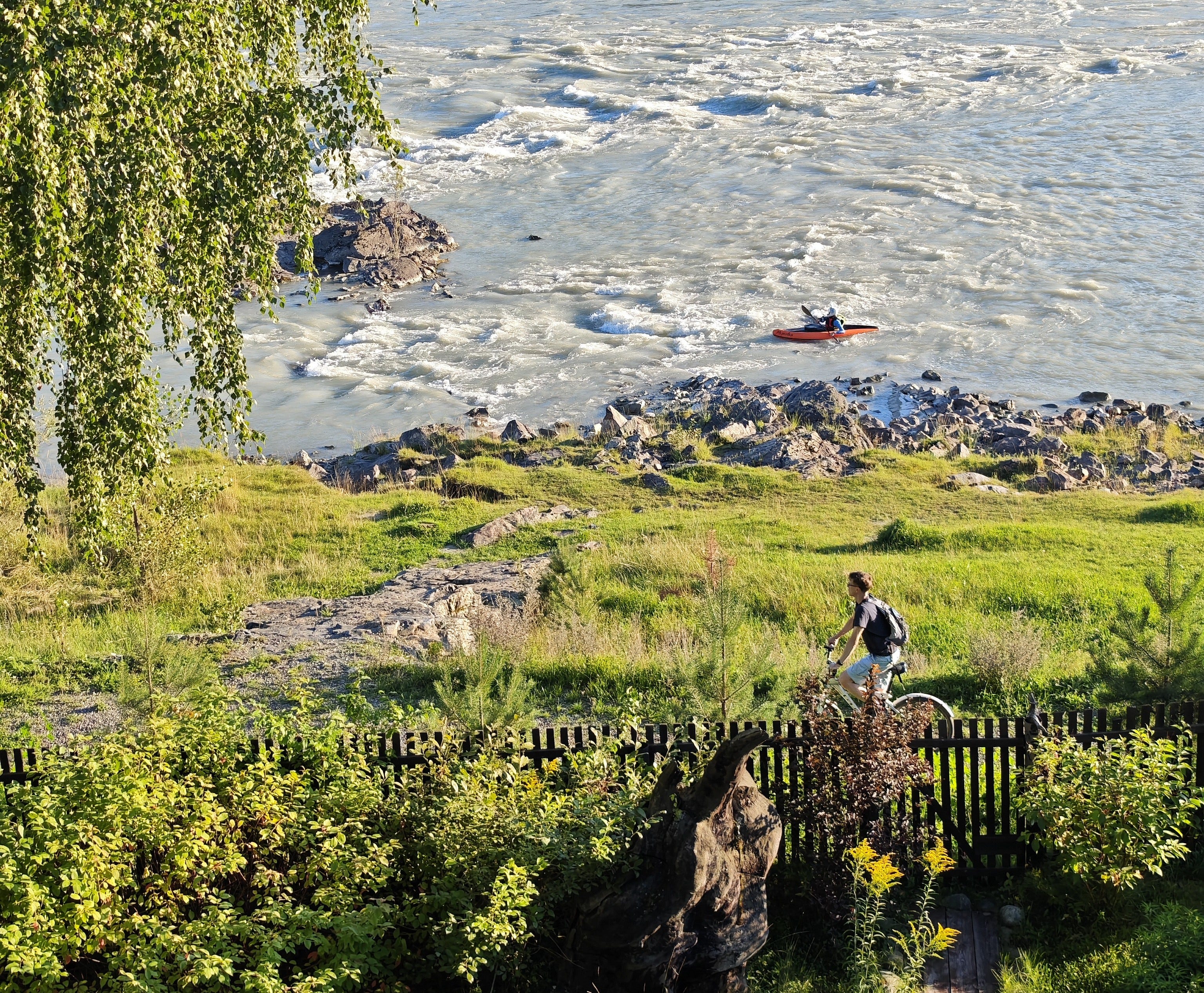
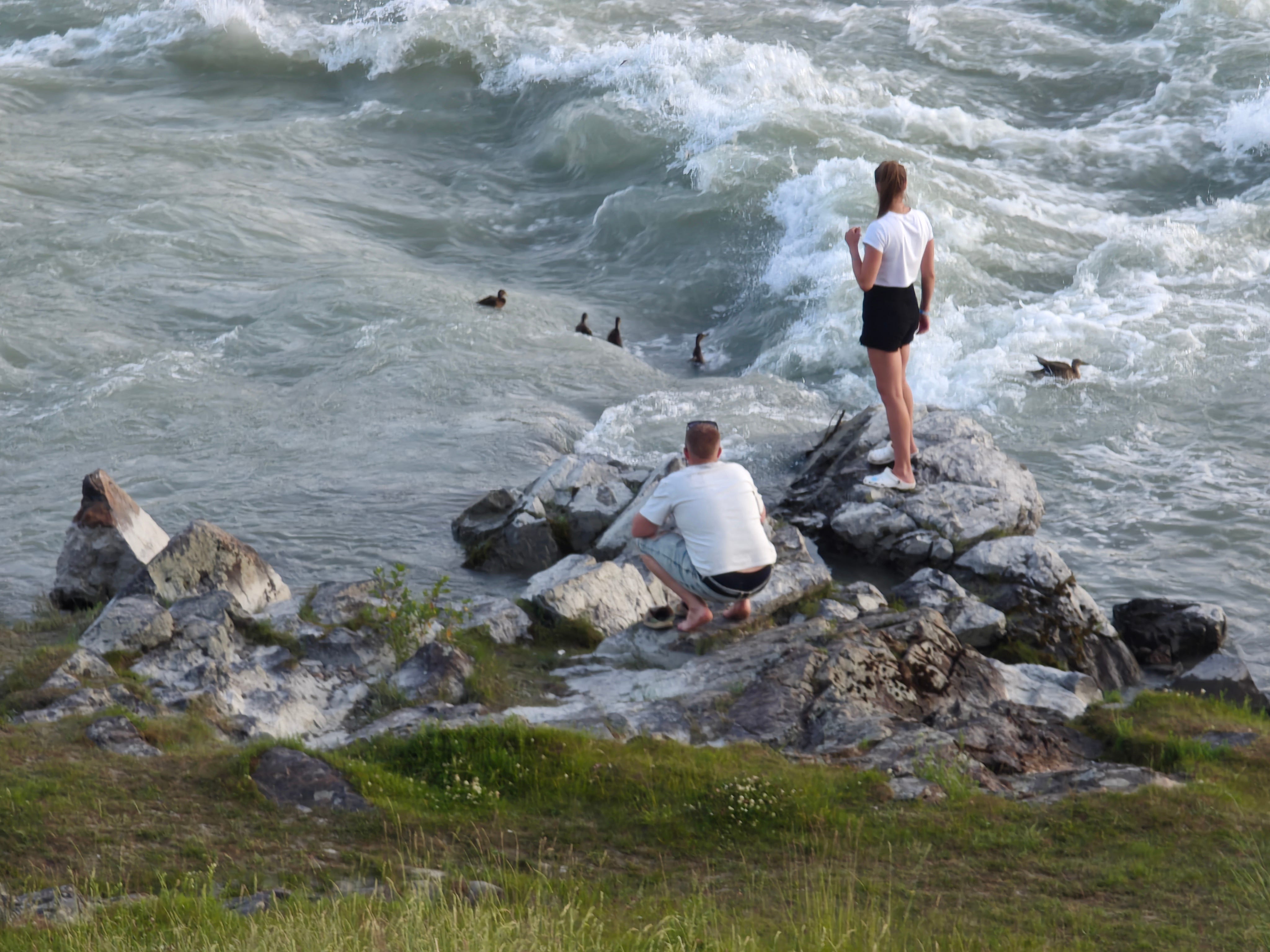
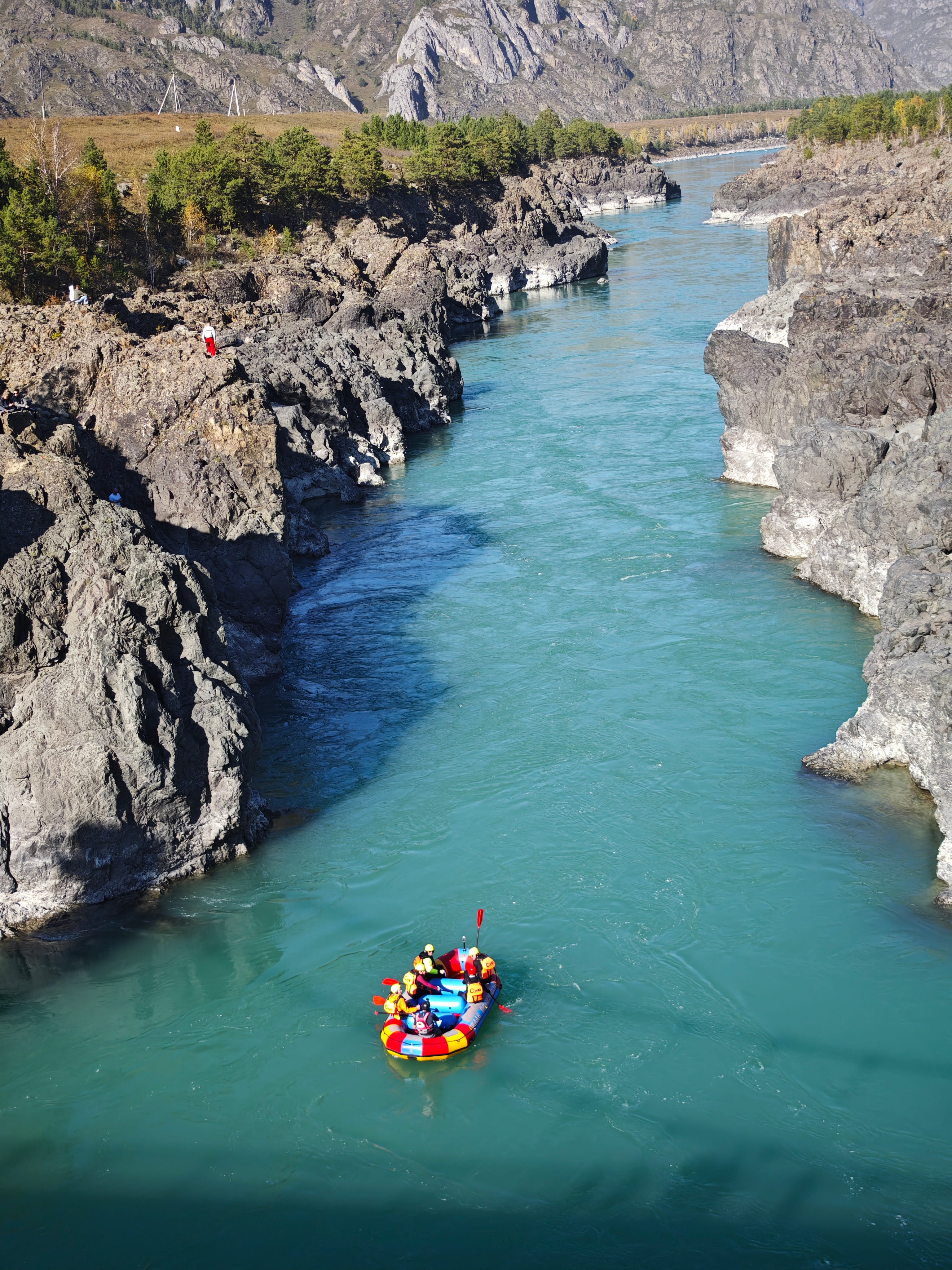
Increased drone activity in the West and South made Siberia a desirable vacation destination. Throughout a hot, sunny, June, tourists screamed as rafts maneuvered through the beautiful but not very challenging Katun River rapids. A man in a red kayak wore rabbit ears during his daily training. Vacationing parents followed their children as they ran to the River and took turns posing on the rocks.
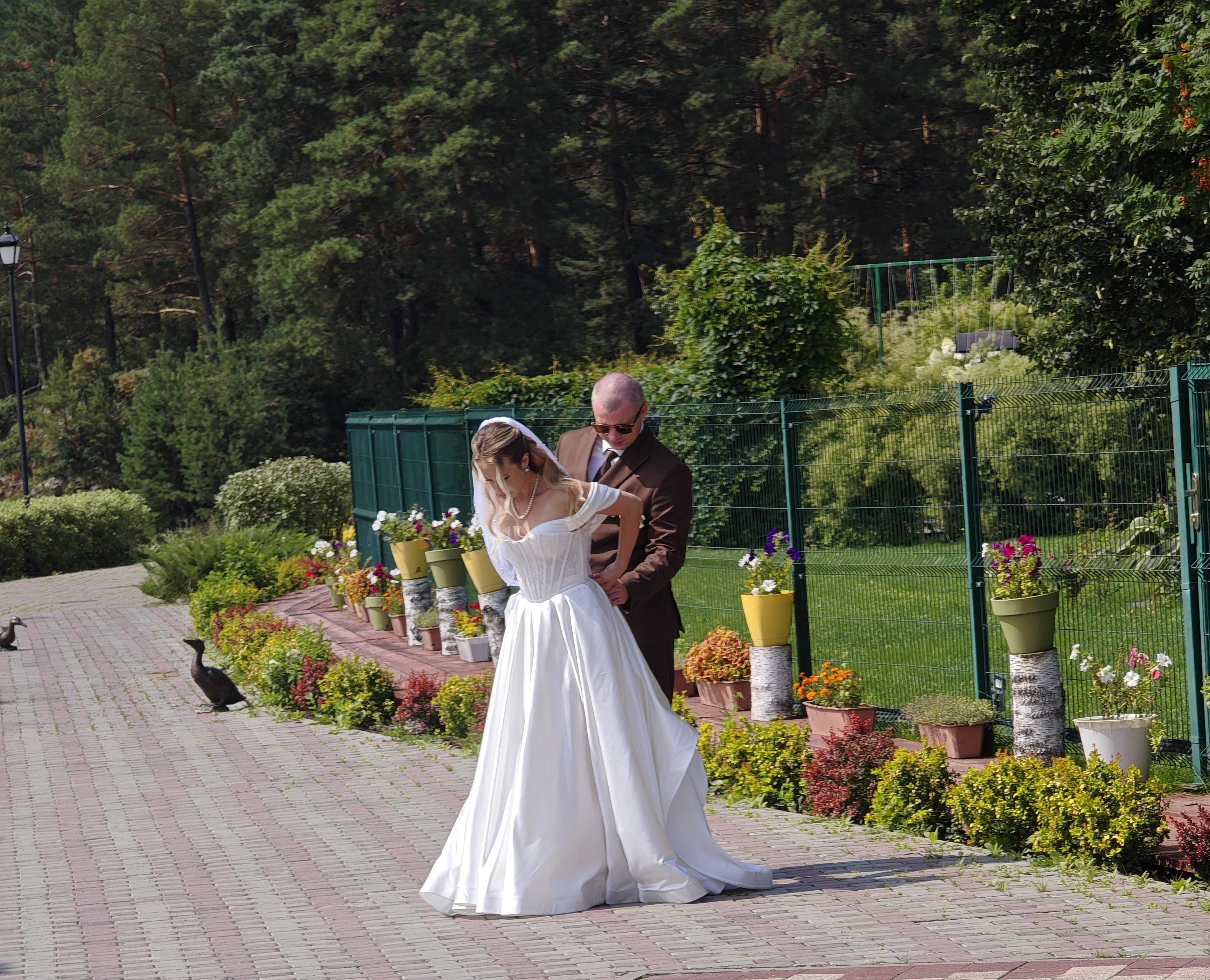
For local people, the Manzherok Village riverbank remains a favorite spot for brides and grooms, fishermen taking advantage of the late sunset to throw in their lines, and teenage pit bikers creating a scandal. Despite new laws limiting the sale of alcohol in the Republic, the lubricated joys of a perfect summer day occasionally overcome buddies who will spend a few hours passed out under a tree before heading home powered by an unsteady gait.
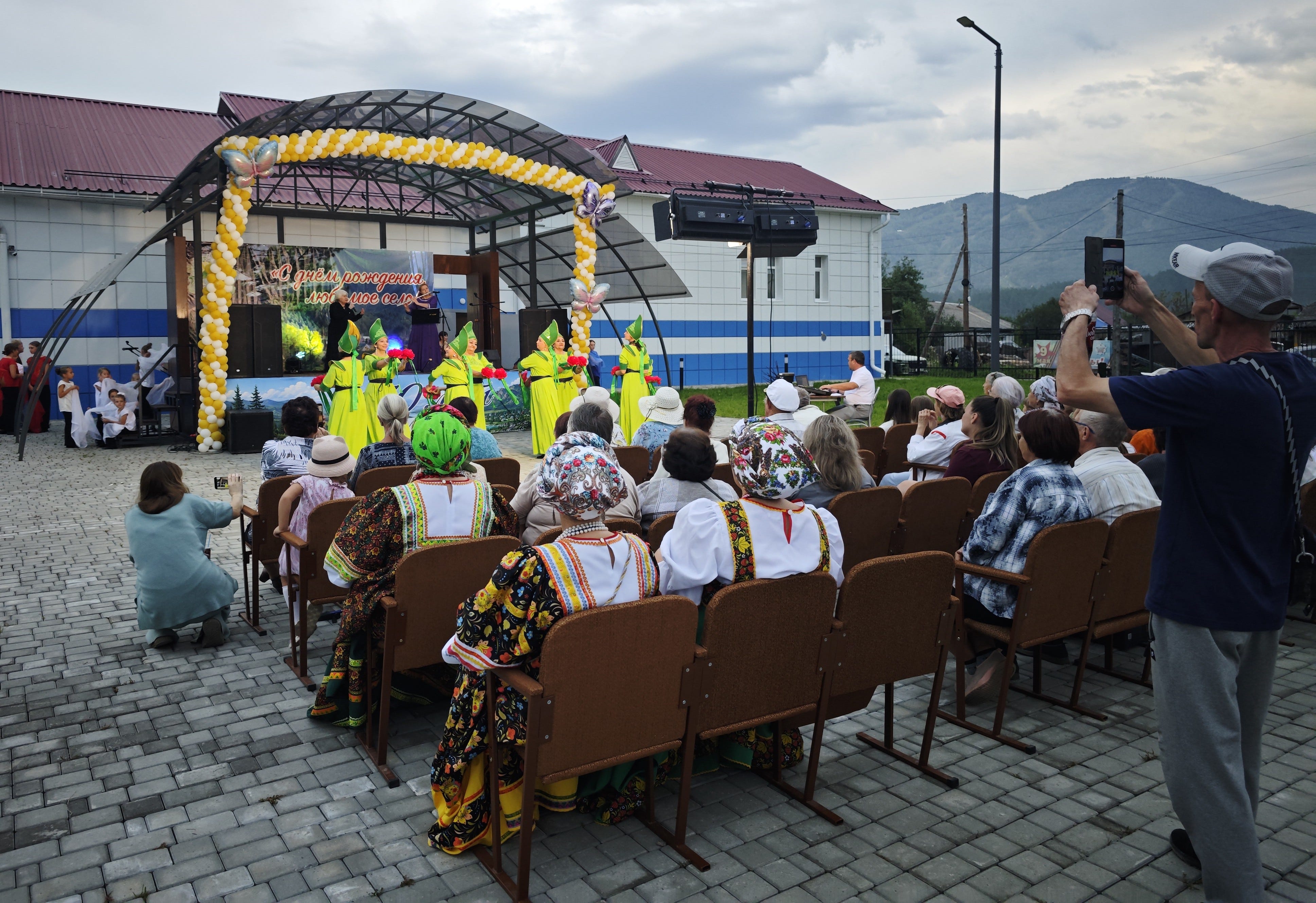
Mid-June, the people of Manzherok filled the House of Culture for their first meeting with the Governor (in office since October 2024). Instead of the expected public hearing, the meeting was a campaign event promoting United Russia’s 27 year old war hero candidate for the State Duma elections in September.
July
July 1st, just as people had settled into a summer that only required factoring in ever increasing prices, drones, airport delays, and Internet disruptions, someone mentioned gas. By the 3rd, a young wife and mother went to fill up at 2:30 in the morning and still had to wait 50 min. Two days later, a whole system for dealing with the gas situation had been established informally, spontaneously.
The system in Altai involved buying a couple of 20 litre canisters for your car and joining a social network chat that provided up to date info from travelers on where there was gas, what types were available, how much it cost, and how long the line was.
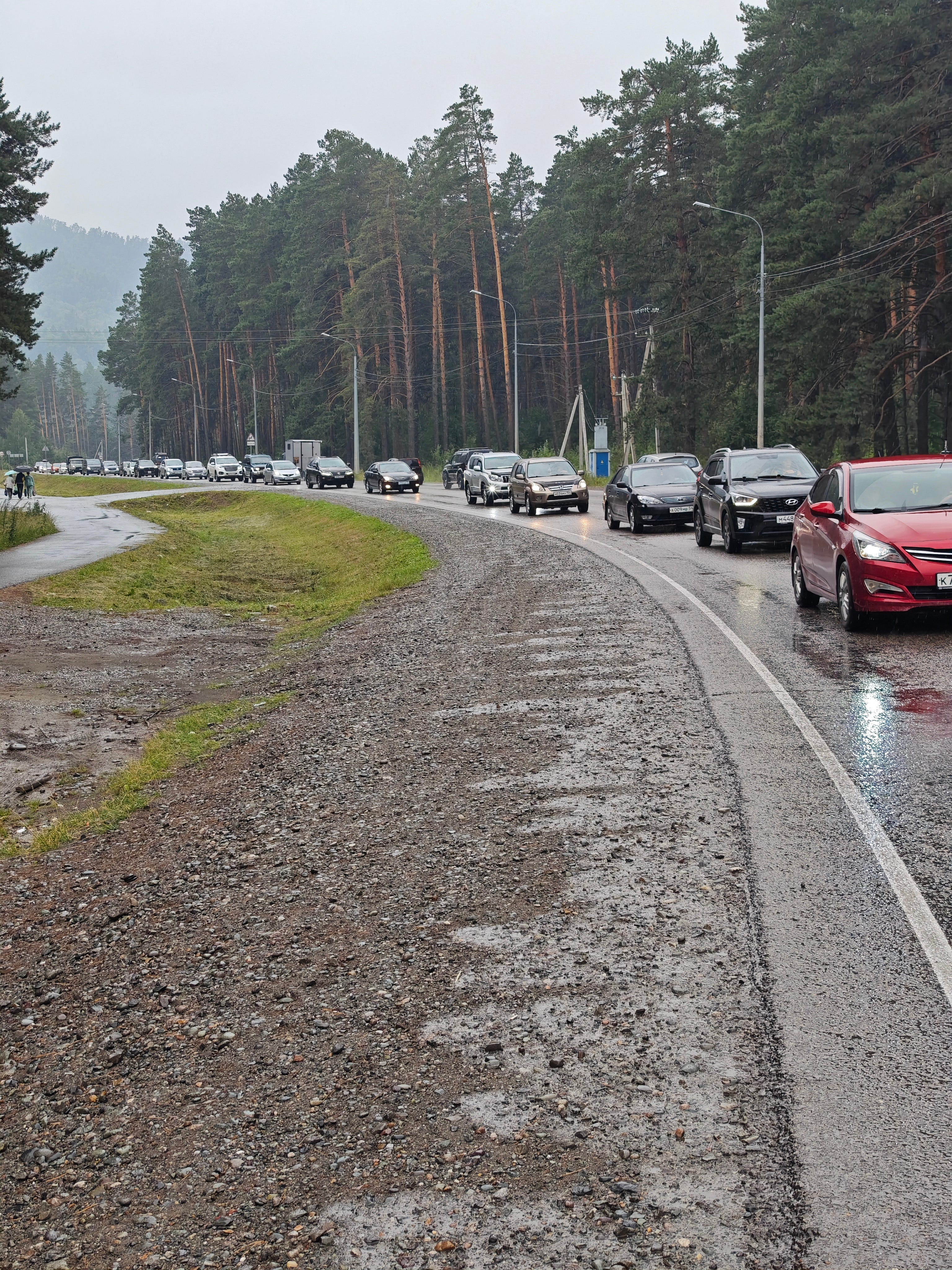
Then, you had to decide, time or money. 90 r a litre if you are willing to wait hours or cash only, 120-150 rubles a litre with no line. Regardless of up to 7 hour waits, there was never a line at the expensive gas station.
Before long small hotel owners in Altai were offering to stand in line for their guests as a marketing pitch, Instagram featured stories about lines being a great place to meet people, any description of a vacation began with how they filled the tank, and people started to envy friends with diesel cars.
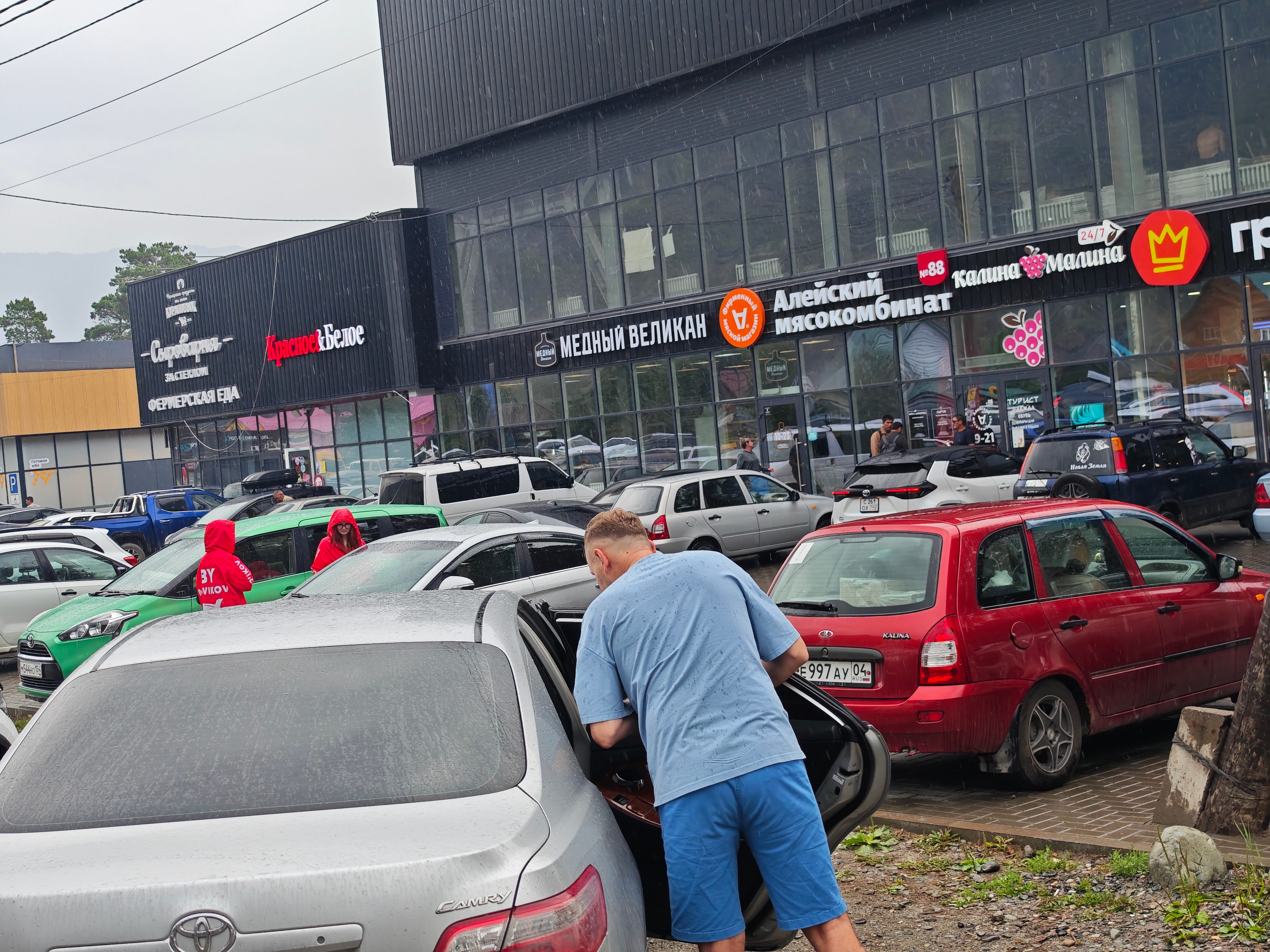
By July 9th the Altai Republic Government said gas stations must register cars and drivers could only buy 30 litres a day plus 10 in a can. Regardless of all these complications, cars in the Manzherok parking lot came from all over country. Extreme turbulence is nothing new anywhere in Russia. That is what makes the people resilient, it’s their core competence
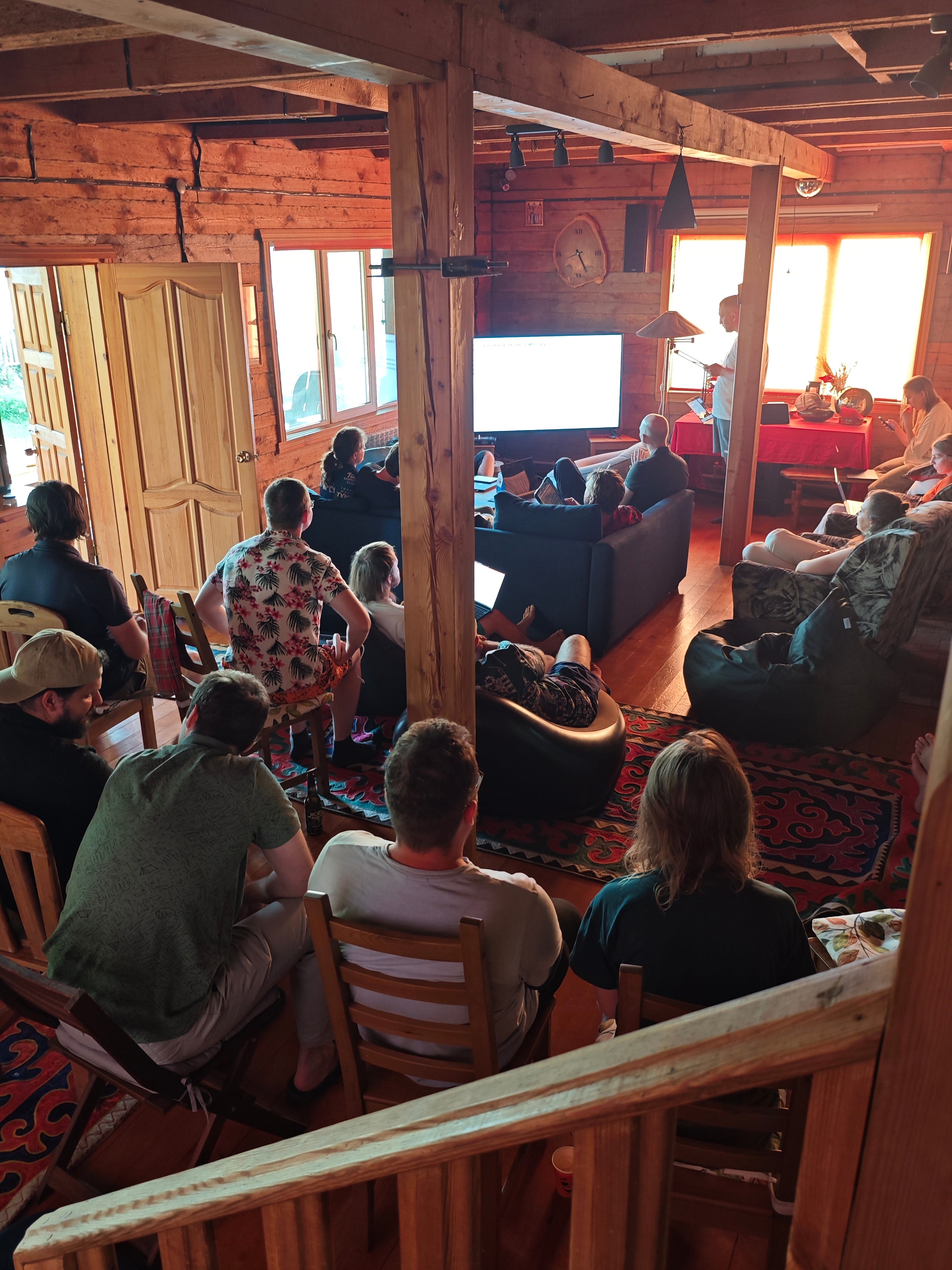
In the midst of this, over 20 young data scientists, mostly from Moscow and St. Petersburg, attended the second annual Open Data Science summer camp in Altai (AltAI). One participant was delayed because he was attending the July 14th launch of Expedition 75 from the Baikonur Cosmodrome in Kazakhstan. It was a perfect summer evening as the rest of the group gathered on the riverbank to watch traces of the launch travel across the clear sky and the lingering puff of smoke from the second stage rocket dropping.
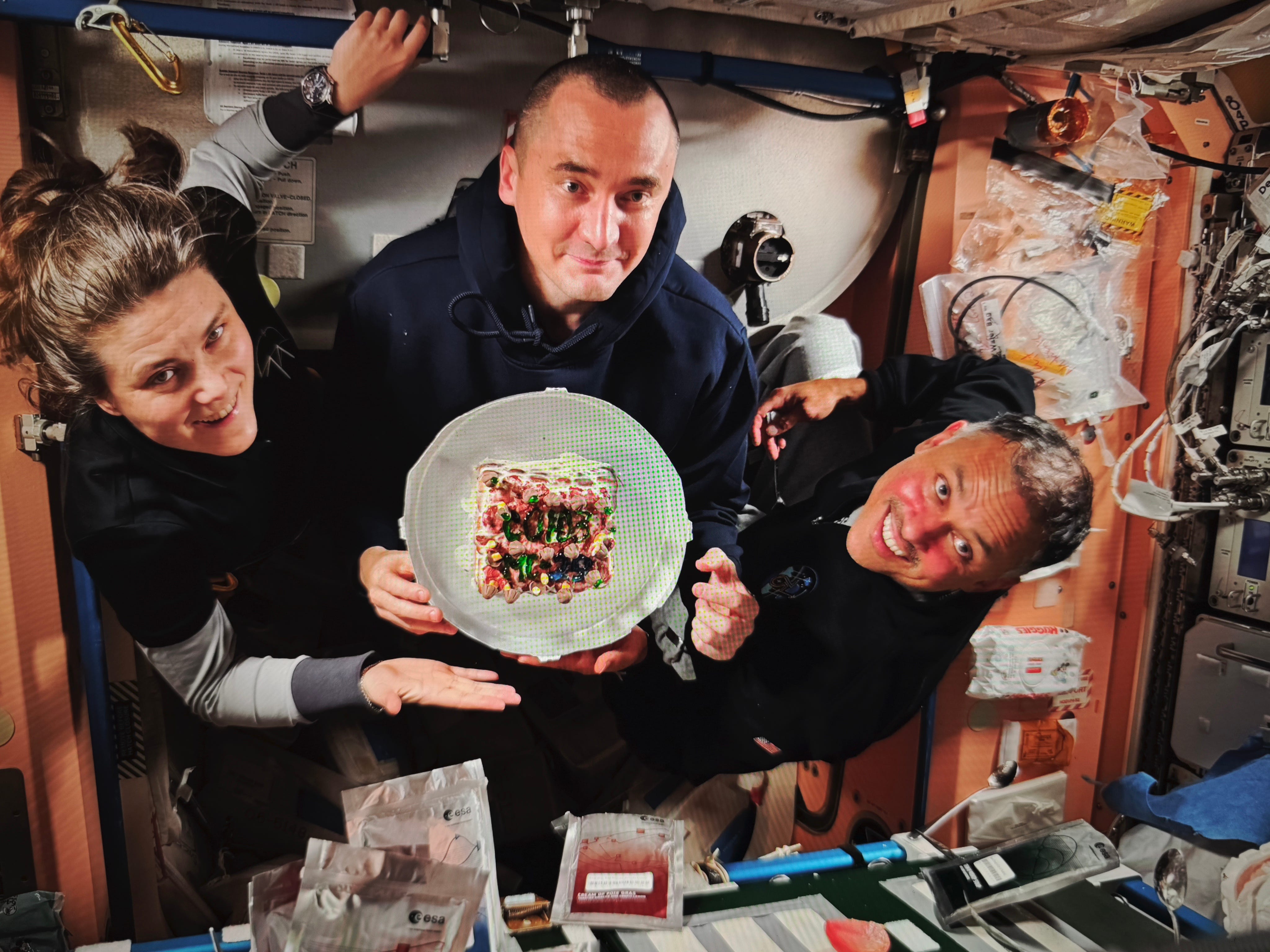
The rocket’s destination was the International Space Station. Onboard were two cosmonauts and one astronaut, an American making his first flight. The Russian engineers and the American Surgeon will spend the next eight months researching human health and long-duration physiology, materials science and in-space manufacturing etc. So far, they are getting along fine.
August
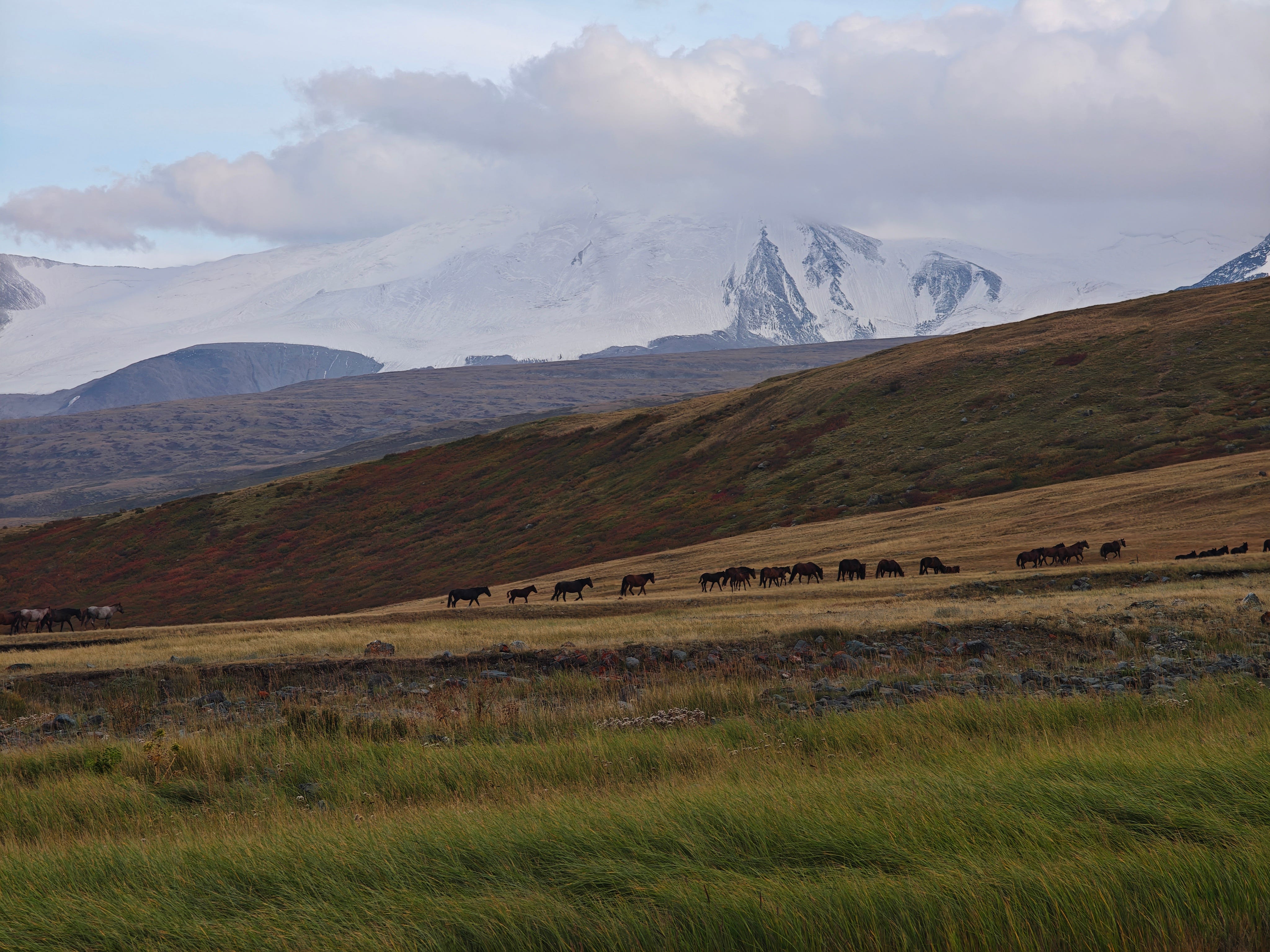
By August, gas was no longer a topic of conversation or a hassle. The quietest campaign in Russia’s history of elections continued. In the Republic you only saw posters and mailbox stuffers from one candidate, United Russia’s. No one talked about it.
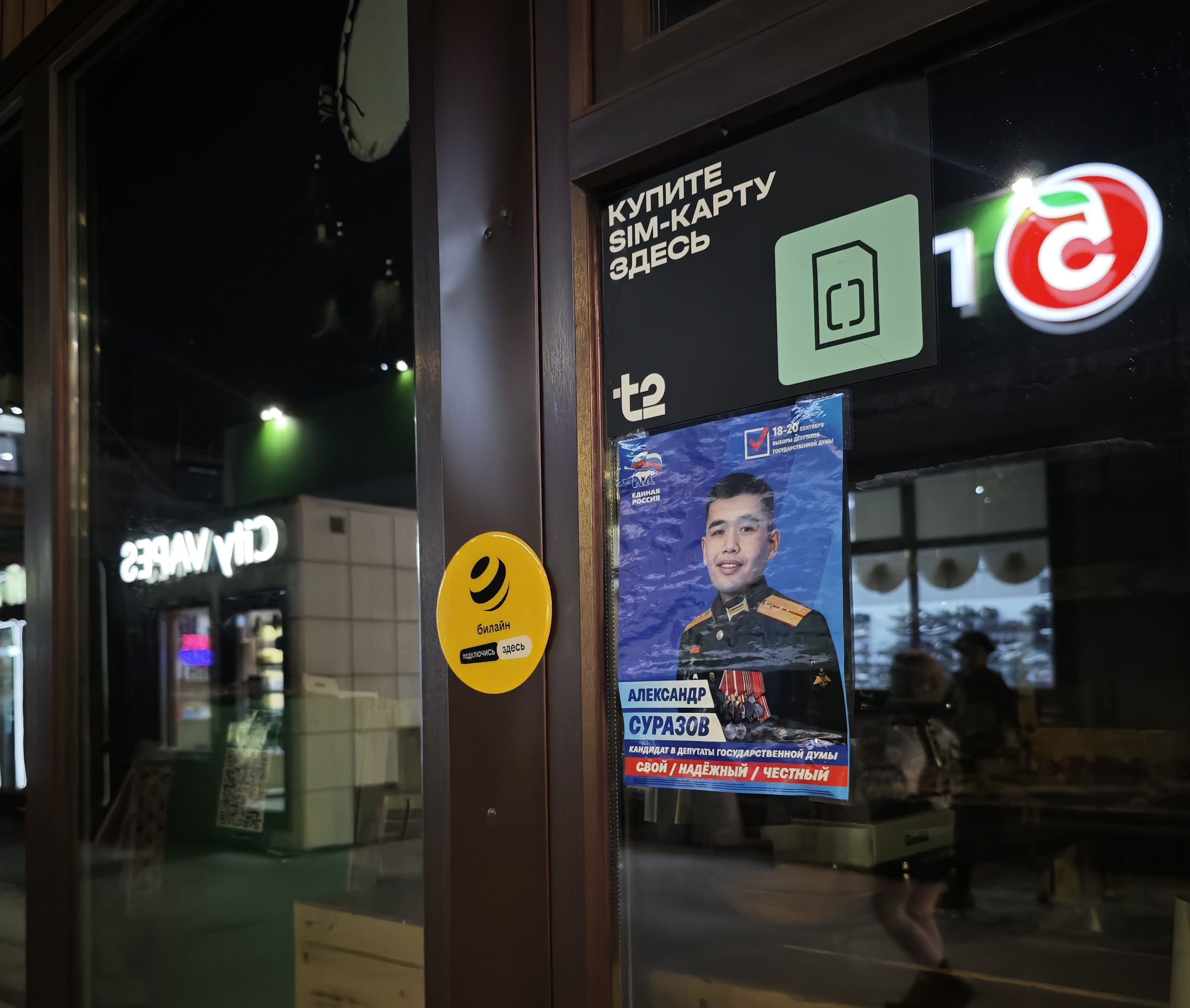
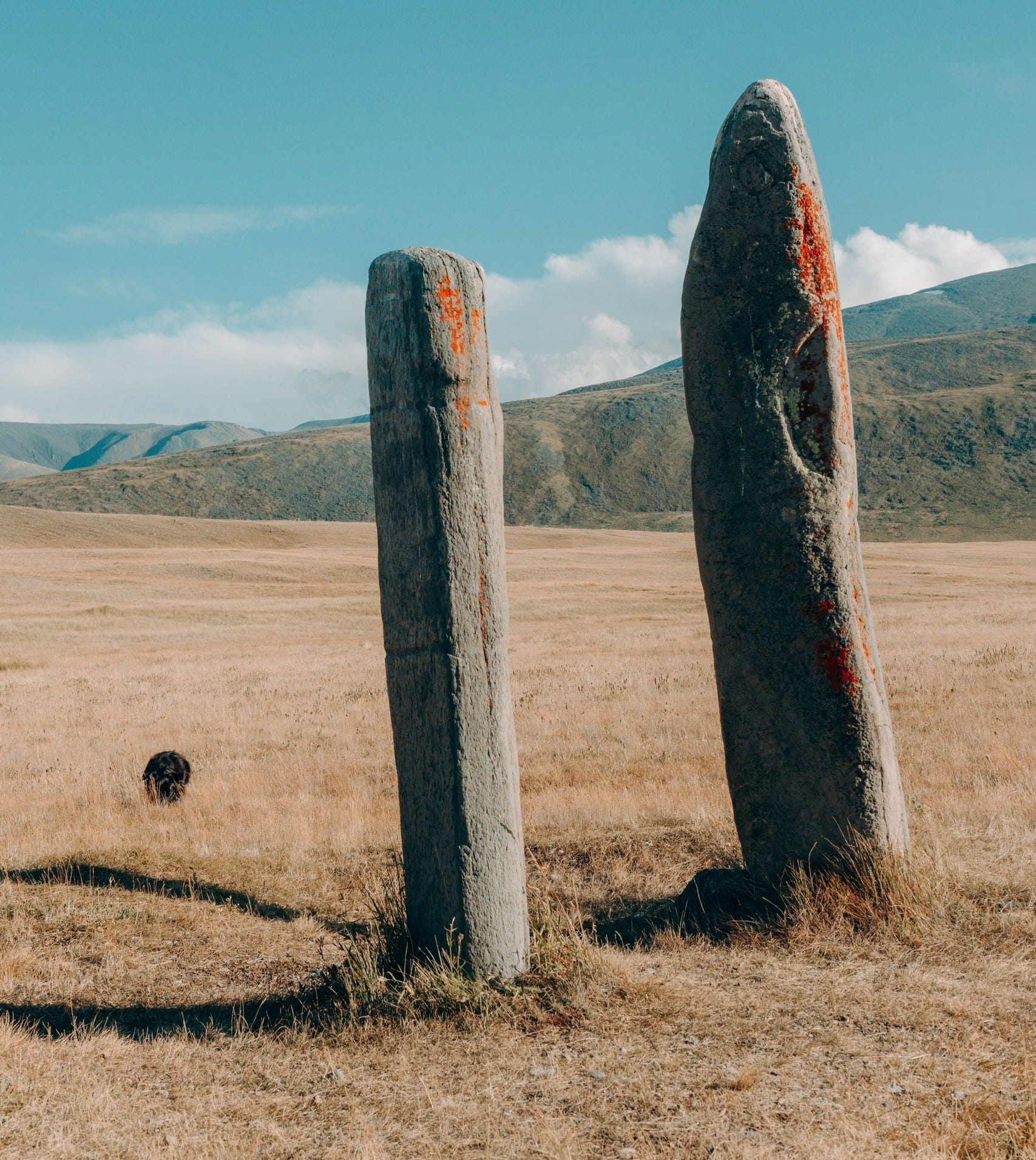
The Ukok Plateau is an Altai border district single digit kilometers from China, Mongolia, and Kazakhstan. A UNESCO World Heritage site, it is an official “zon pokoya”, a quiet zone that provides tranquility and freedom from disturbance. There is no cell service, no Internet, land lines, wires or pipes. Ukok is a harsh, high altitude, windy steppe filled with geological (melting glaciers), archeological (kurgans/burial grounds), and spiritual wonders.
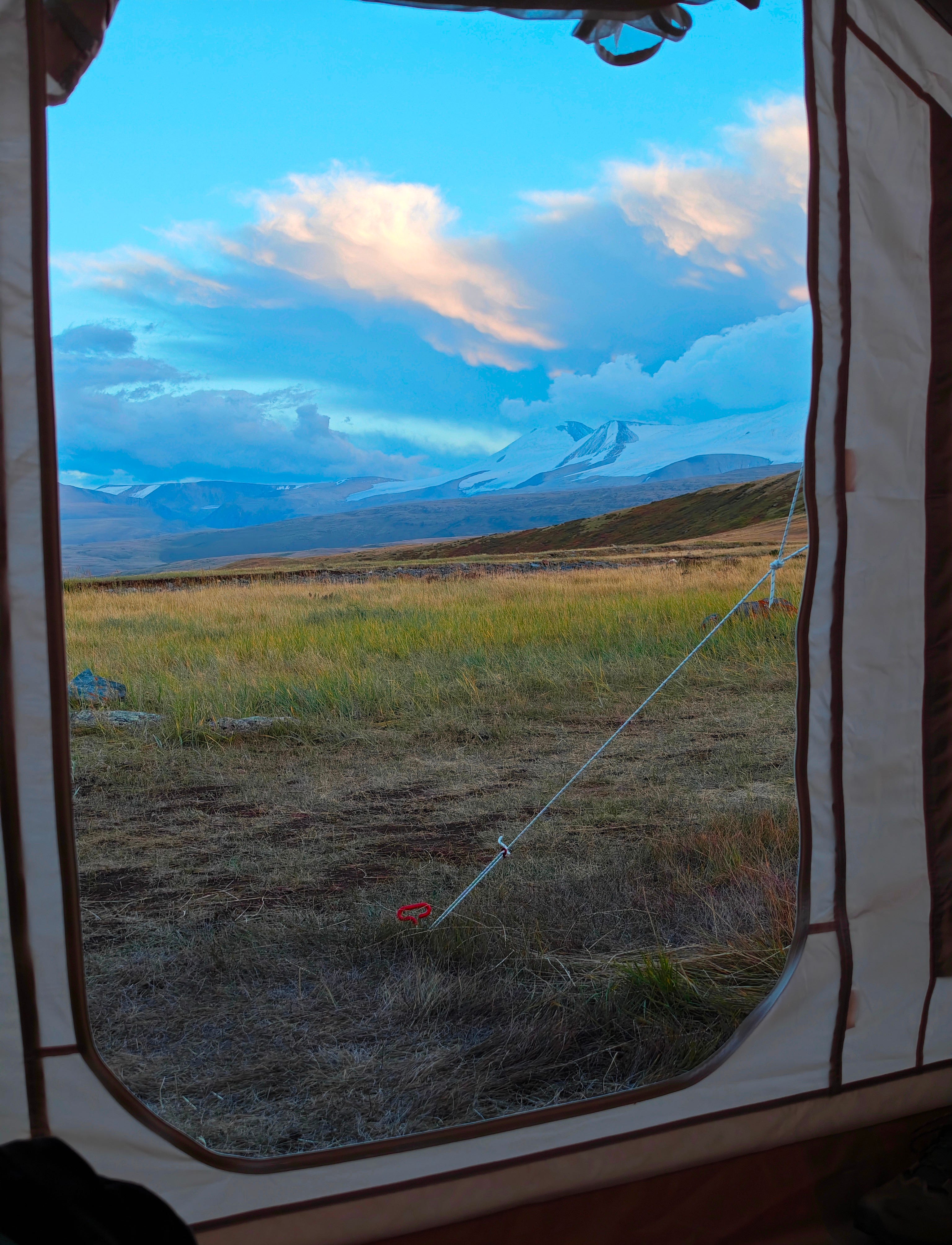
Artist/philosopher Nicholas Roerich believed that Ukok was the gateway to the spiritual kingdom of Shambala. It gained international attention in 1993 with the discovery of the 2,400 year old tattooed Princess of Ukok. The movement to return her from the Museum to her burial ground was revived this summer. Supporters believe she guarded the gates of the underworld keeping evil out. “Today, the number of armed conflict hotspots across the planet is growing and we face the imminent threat of a Third World War—a nuclear war! Such a conflict would be the last for humanity; there would be no victors.” Activists believe peace will only come when the Princess is at rest.
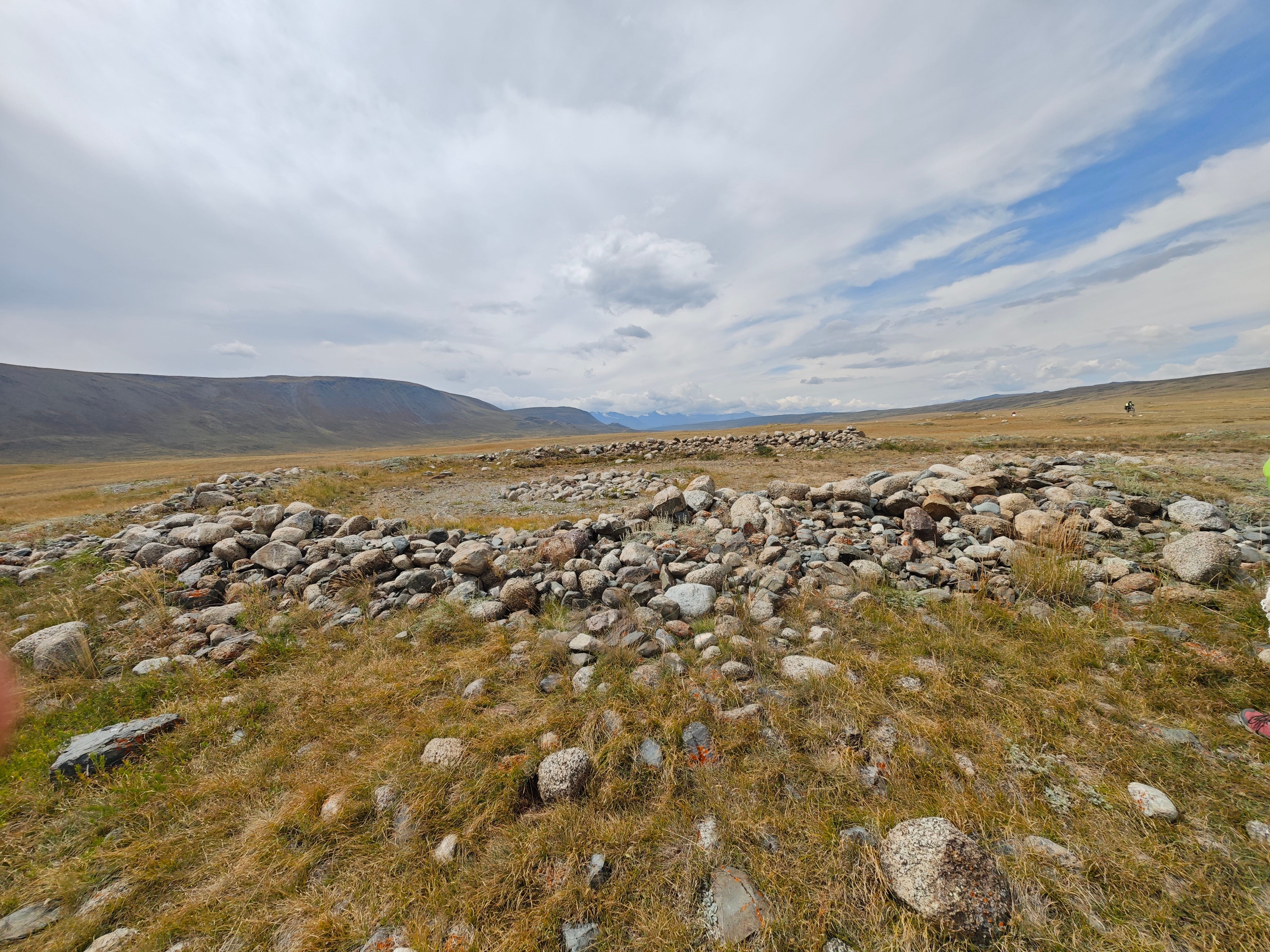
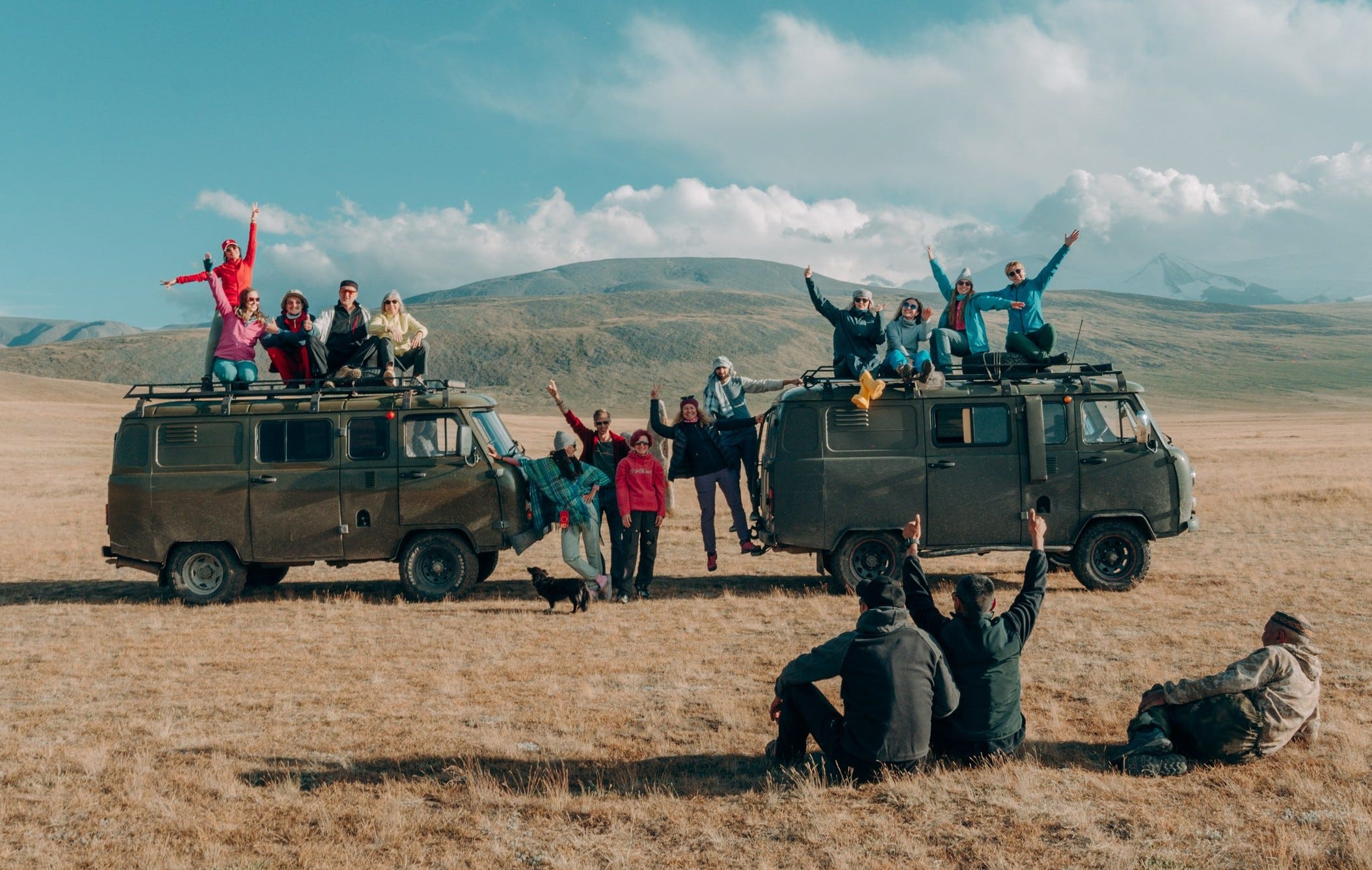
It has been a record breaking year for the Kochyi (To Roam) tour organizers with their weekly excursions to the Plateau. Our group consisted of 3 couples and 7 women from Moscow and Siberia who work in banking, real estate, IT, and healthcare. Everyone agreed on two things, no talk about work and time to be alone.
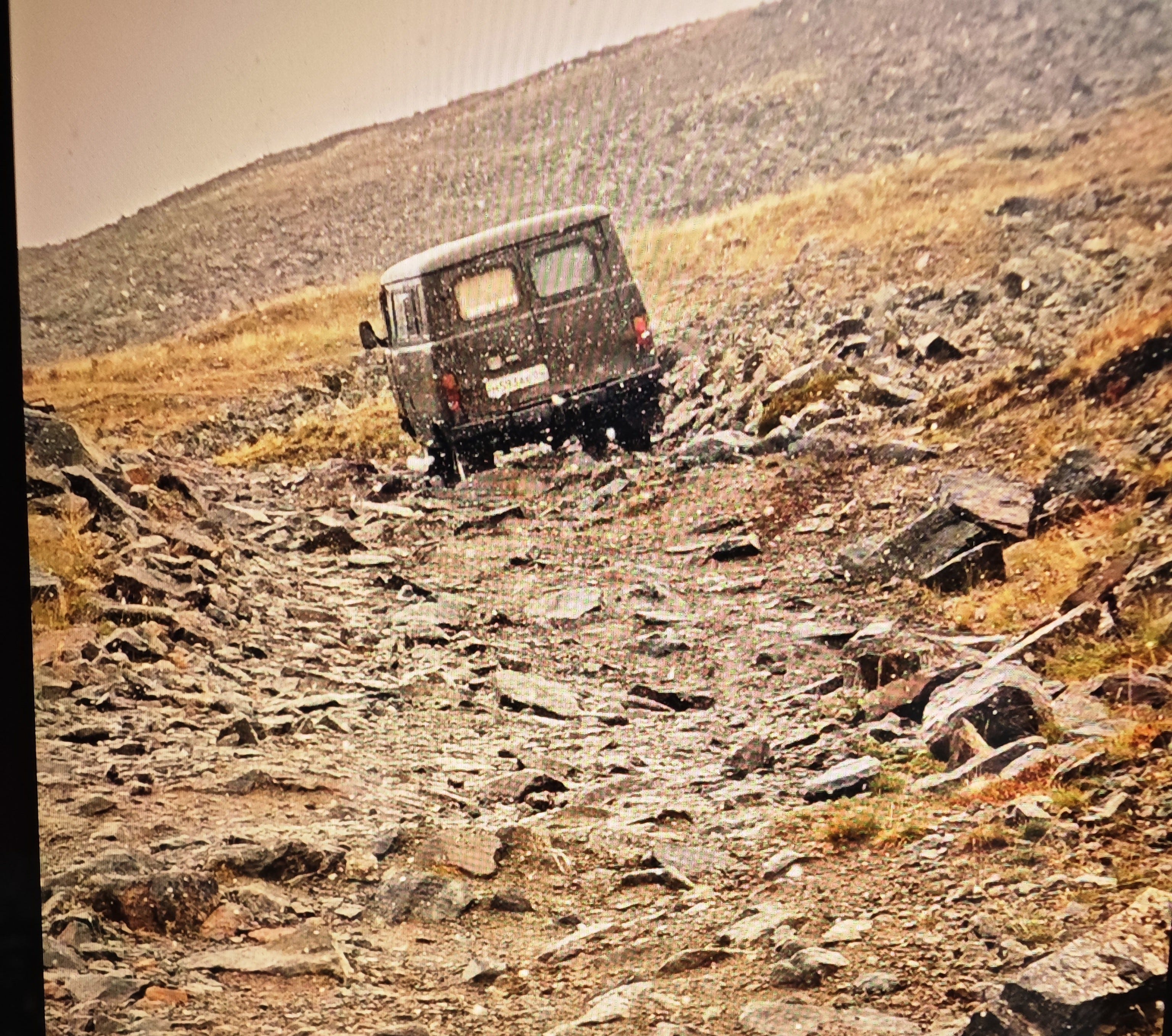
The only way in or out is through a mountain pass made up of small and medium sized rocks with a steep drop to one side. It is only open to the public in July and August. A Land Cruiser and similar high priced all-terrain vehicles can do it but more common are ultra non luxurious Soviet UAZ vans or “Bukhankas”, so called because of their bread loaf shape.
Our group traveled in three Bukhankas driven by their owners Valera, Ruslan, and Bayram. They all live in Kosh Agach, the district center, and each one is a gear shifting Mozart. Valera was the elder, Bayram works in a gas station during the off season, and Ruslan helps in the store his wife owns. He used to keep a herd of horses on the Plateau but it didn’t make sense financially. Ukok drivers are a brotherhood with a code. You stop, check in, and share a cigarette with the drivers of all moving or stationary vehicles.
I traveled in Valera’s van and no amount of mastery could compensate for the brain rattling lack of shock absorbers with nothing to hold on to. The only relief came when our Bukhanka broke down, which was often. The drivers’ routine of smoke, discuss, crawl under the van, and Valera says “what will be will be” before starting the motor continued for two days. The morning of day three Valera was gone and we were told to divide up between the remaining two vans.
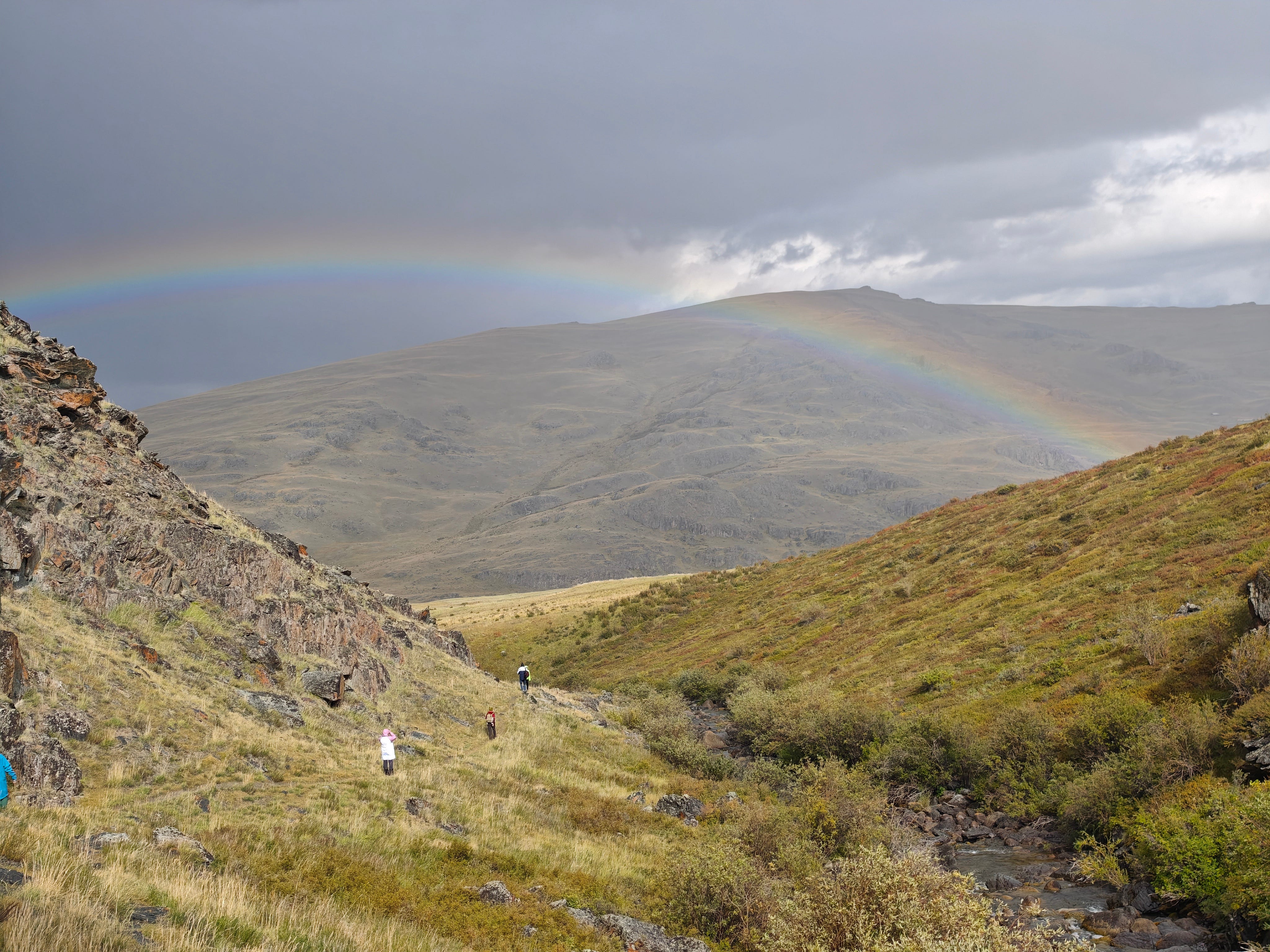
The Valera refugees experience was transformed from fate driven “what will be will be” grim misery to party wagon fun. Not only had Ruslan and Bayram put in shock absorbers, their Bukhankas had state of the art sound systems cranking a mix of ethnic and Russian music. Ruslan waved his right arm in the air like a lasso to the music and explained that trips to Mongolia for cheap, better parts was of no interest to “what will be will be” Valera.
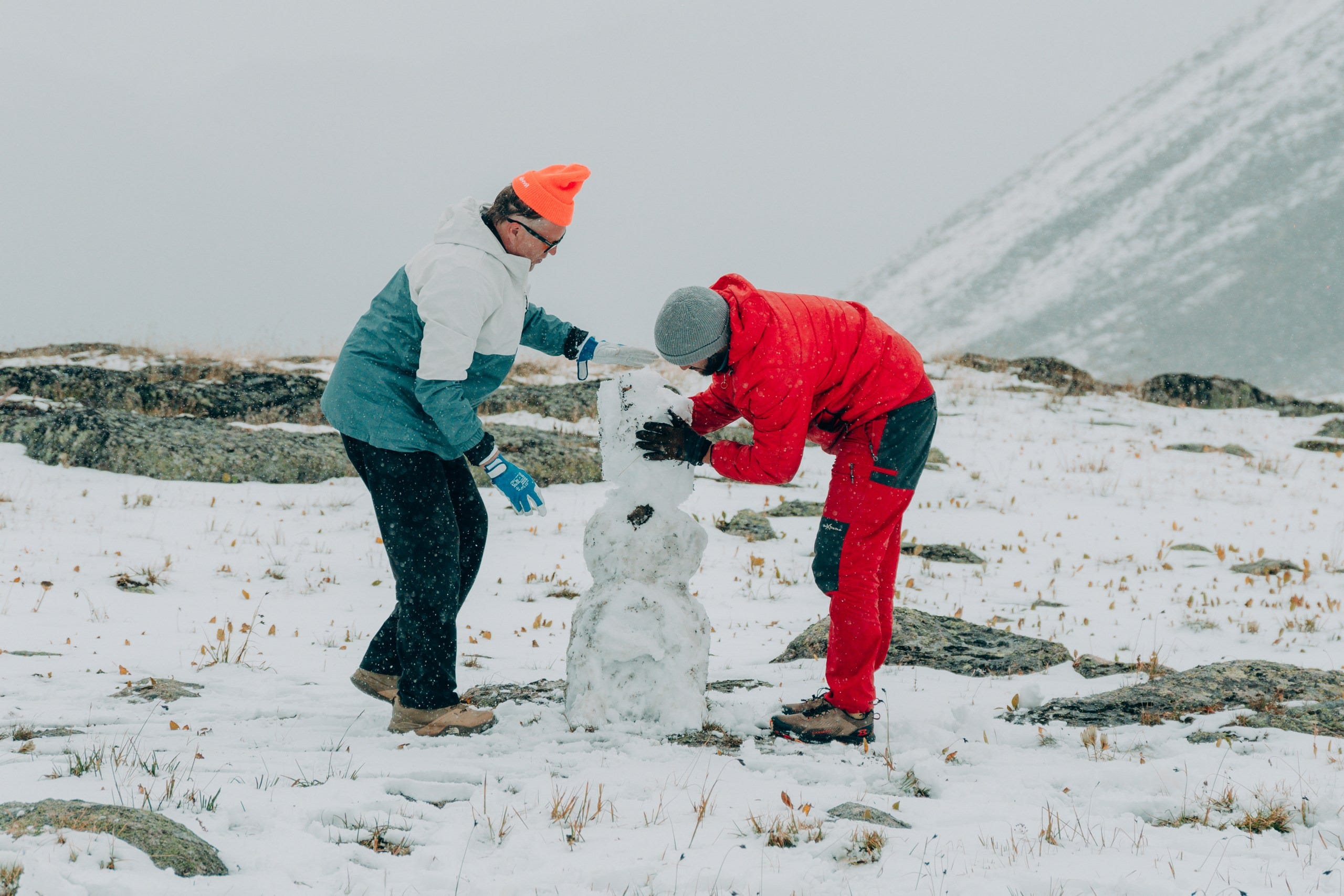
When we returned to civilization every cell phone was turned on as soon as a signal bar appeared. Nothing new on the geopolitical front, the headline news was the first death this century by a bear in Altai. Hours after her boyfriend proposed, a 29 year old woman was dragged out of their tent and killed. The tent was pitched in a hotel campground by Teletskoye Lake.
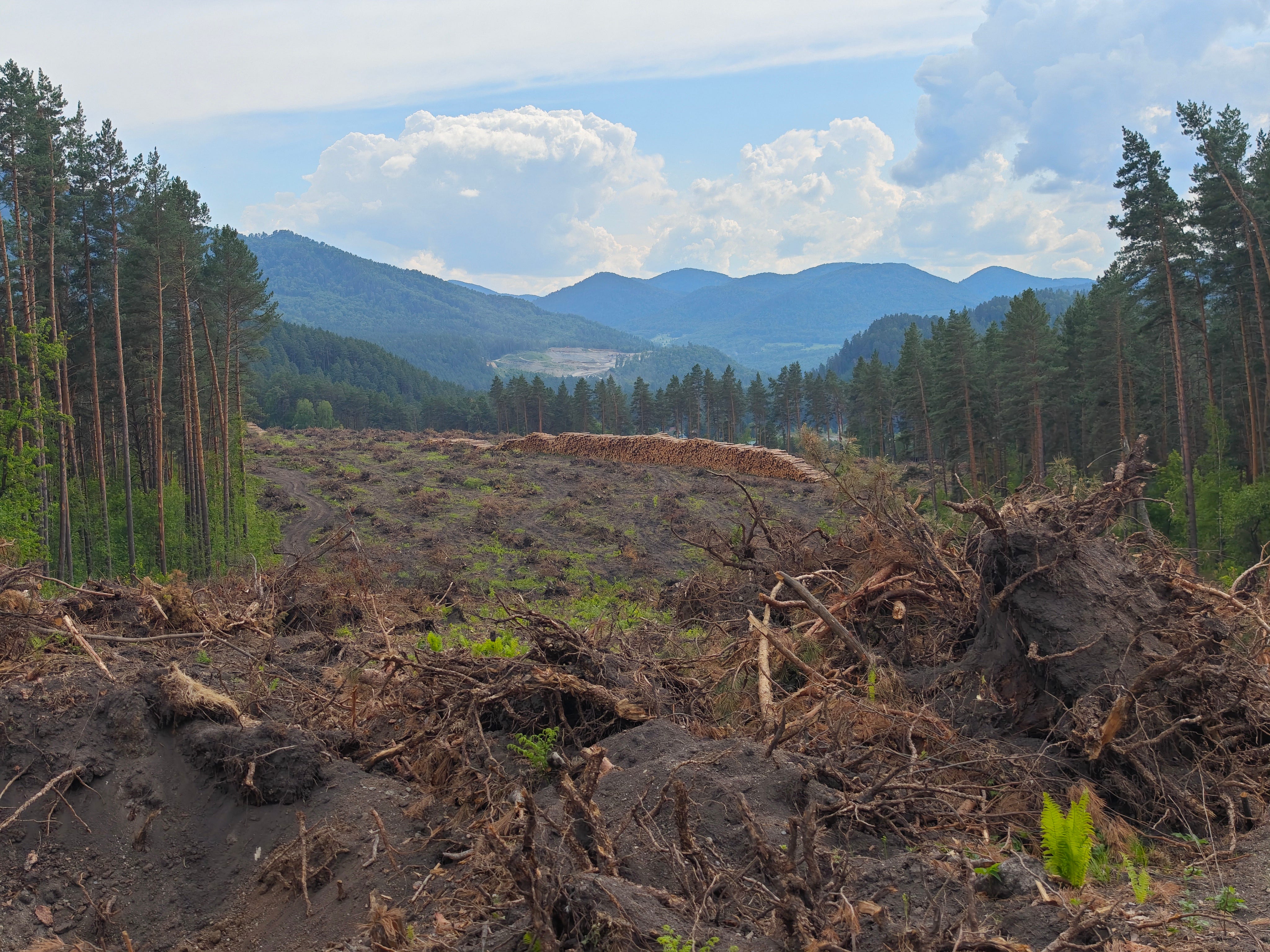
Typically, there are 20-30 bear attacks annually in Russia. This year 59 attacks have been reported with 22 people killed. Experts say bears are surfacing because a hot, dry summer produced less nuts and berries and there is an explosion in the bear population because no one wants to hunt them. In Altai, to this must be added massive and escalating development that is disturbing their habitat.
Fall #5
The quiet election came and went. United Russia won In the Republic. The turnout was 45% of registered voters. 49.17% (36,406 people) of those who participated voted for United Russia. 78% or 128,132 people either stayed home or voted for someone else.
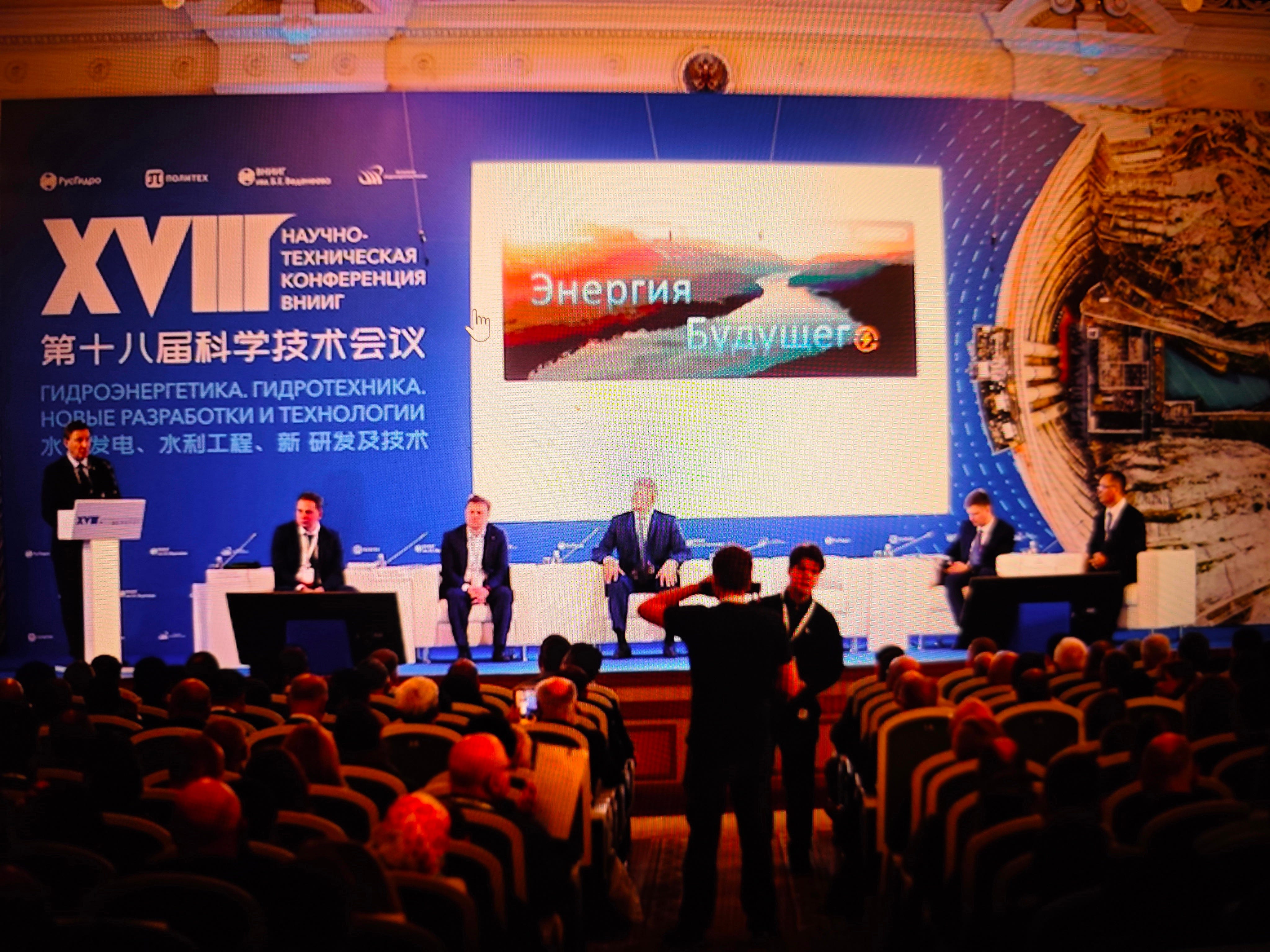
At an October St. Petersburg “RusHydro” conference, Altai Republic Governor Andrey Turchak presented a new concept for a massive transportation and energy corridor. It will connect the Arctic to Chinese and Asian Pacific region markets through the inland waterways of Siberia. The final leg of the corridor requires building a railroad across the length of Altai through the Ukok Plateau to China. The Governor recognizes, “The most sensitive issue is the environment. The Katun River and the natural landscape as a whole has sacred significance to residents”.
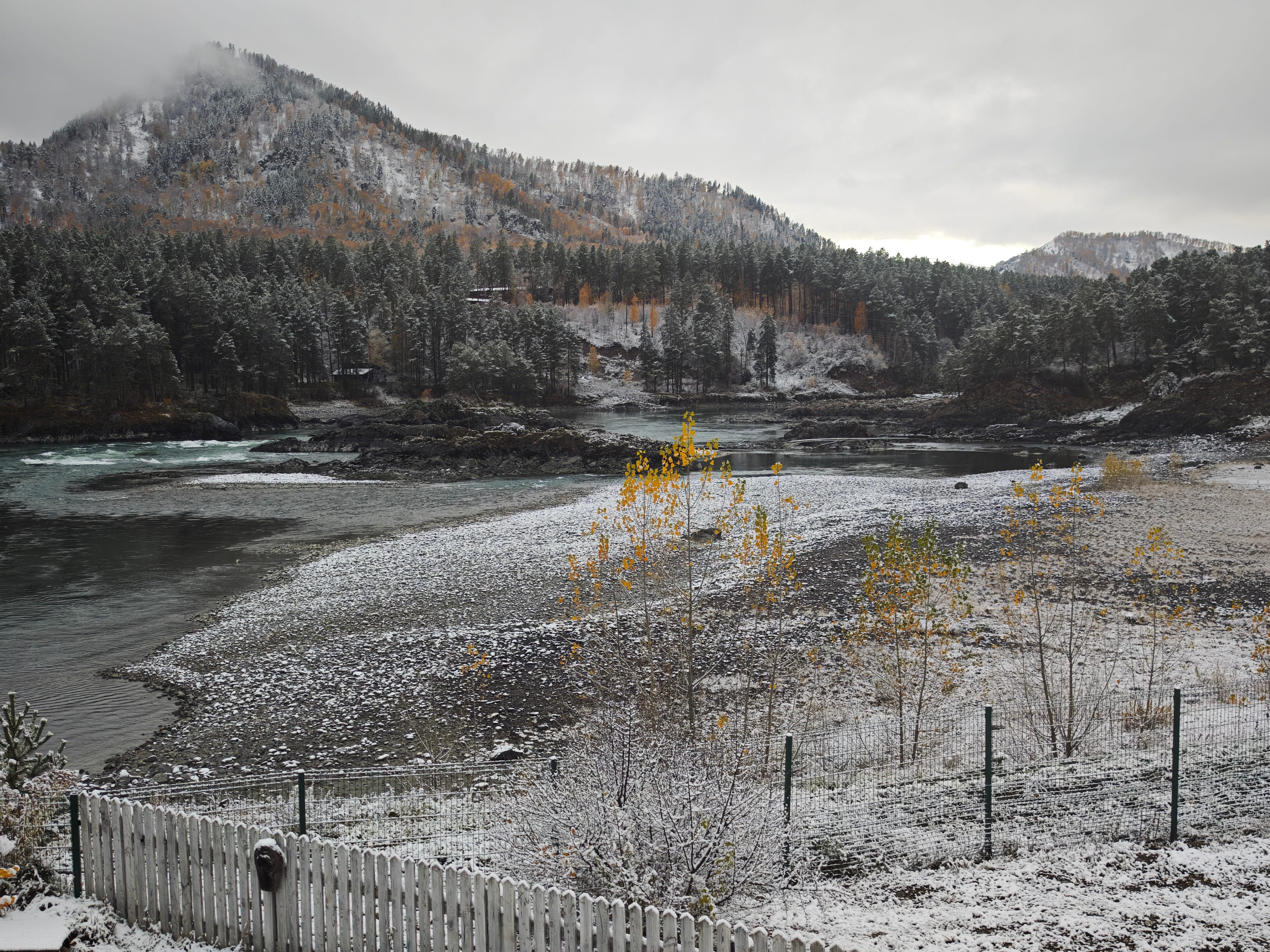
As an unseasonably dry and warm fall lingers in Siberia, bears are now solidly on the list of things we need to worry about. Gas is not a problem but there are occasional Yandex pay or taxi outages. The last of the villagers’ garden harvest has been gathered, pickled, and stored and the land prepared for spring planting. The first snow has fallen and melted with only white caps remaining on the mountaintops as we wait for Winter #5.
Thanks for reading Siberia Calling!